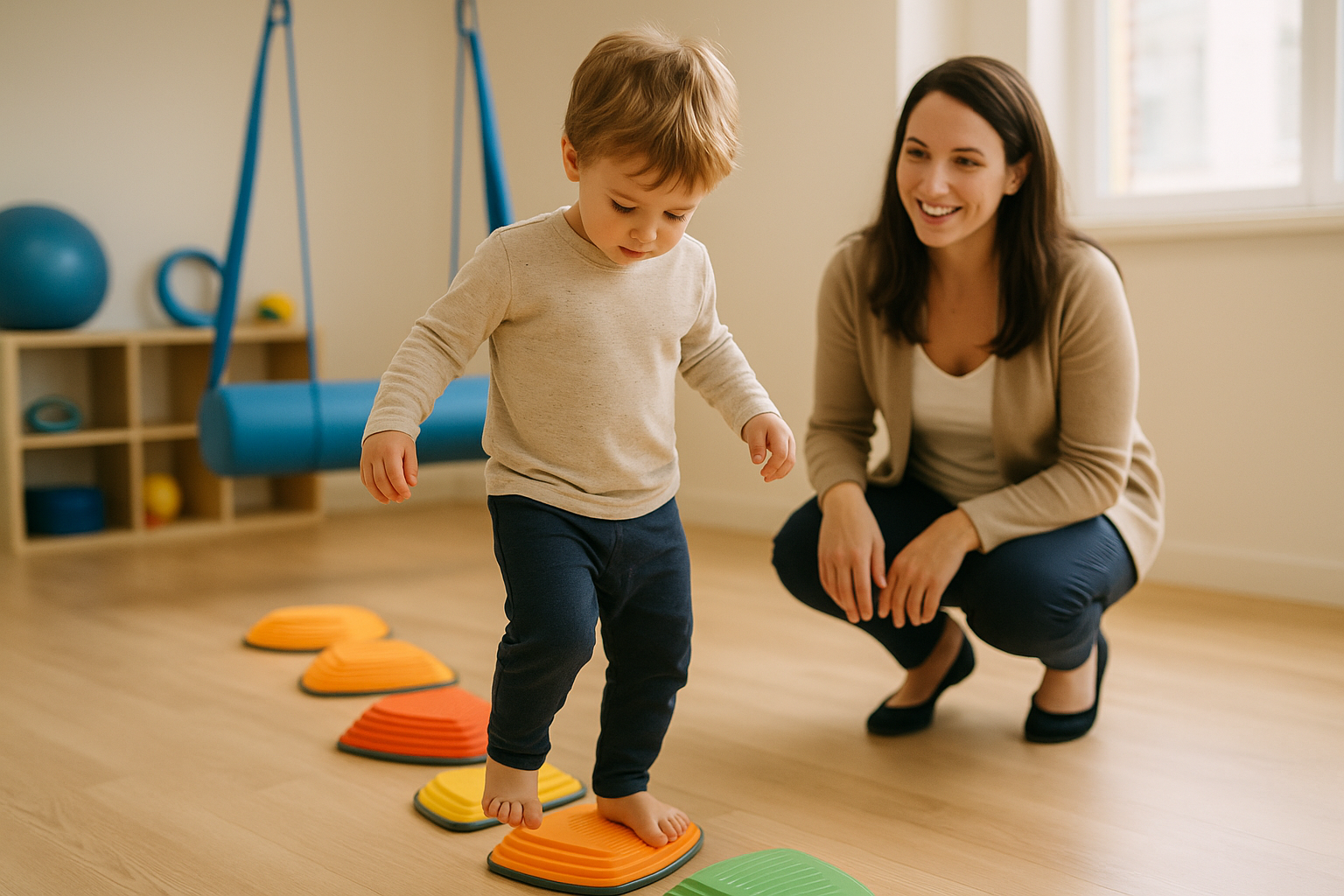
Understanding Dyspraxia in Children
Dyspraxia, also known as Developmental Coordination Disorder (DCD), is a condition that affects a child's motor skill development. Children with dyspraxia often struggle with tasks requiring coordination, balance, and fine motor skills. While every child develops at their own pace, those with dyspraxia might find certain activities more challenging, which can affect their confidence and participation in everyday activities.
Signs and Symptoms of Dyspraxia
Recognizing the signs of dyspraxia early on is crucial for supportive intervention. Common symptoms include difficulty with coordination and balance, problems with fine motor skills (such as writing or using scissors), challenges in planning and executing movements, and trouble sequencing movements in the right order. For new parents, observing these signs can be worrisome, but understanding the nature of the disorder can be a reassuring first step.
Role of Occupational Therapy
Occupational therapy plays a vital role in supporting children with dyspraxia. A pediatric occupational therapist assesses the child’s unique challenges and develops a tailored approach to improve motor planning, enhance coordination, and build confidence. Lauren at Salt Lake Occupational Therapy is specially qualified with certifications in USC Ayres Sensory Integration and DIR Floortime, ensuring the children receive enriched therapeutic interventions.
American Occupational Therapy Association emphasizes that OT can help with the practical skills needed for school and everyday tasks, making daily activities less frustrating and more rewarding for children.
How Occupational Therapy Helps
Developing Motor Skills
Therapists work with children to enhance both gross motor skills, such as running and jumping, and fine motor skills, such as writing and tying shoelaces. Using play-based activities, children practice these skills in a fun and engaging way, helping improve their physical abilities while boosting their self-esteem.
Boosting Confidence Through Achievement
Success in supervised, supportive settings can immensely boost a child's confidence. Mastering a new skill helps reduce feelings of frustration or inadequacy. The American Academy of Pediatrics highlights the importance of positive reinforcement in child development, which is integral in shaping a child’s attitude towards learning and overcoming obstacles.
Sensory Integration Techniques
Children with dyspraxia often benefit from sensory integration techniques. These help them process sensory information more effectively, which is critical for motor planning and coordination. The STAR Institute for Sensory Processing offers resources and insights into how sensory processing affects those with dyspraxia, further informing our approach.
Partnering with Parents
Occupational therapists work closely with parents to offer strategies and exercises that can be continued at home. This home-based extension of therapy is vital for reinforcing skills learned in sessions and fostering a supportive environment for children to thrive.
If you're curious about how occupational therapy could specifically benefit your child, why not Book a Free 20-Minute Consultation with Lauren and explore the best path forward together?
Take the Next Step with Salt Lake Occupational Therapy
Supporting your child in overcoming the challenges of dyspraxia involves patience, understanding, and professional support. Lauren at Salt Lake Occupational Therapy is dedicated to helping your child grow and succeed through targeted intervention strategies designed just for them. Schedule a free 20-minute consultation today, and take the first step towards a more confident future for your child.
How we can help: Motor Planning & Development
Supporting coordination, balance, and the ability to plan and execute new movements with confidence.
Learn about our Motor Planning & DevelopmentReady to support your child?
Book a free 20-minute consultation with Lauren to see if SLOT is the right fit.
Book a Free Call