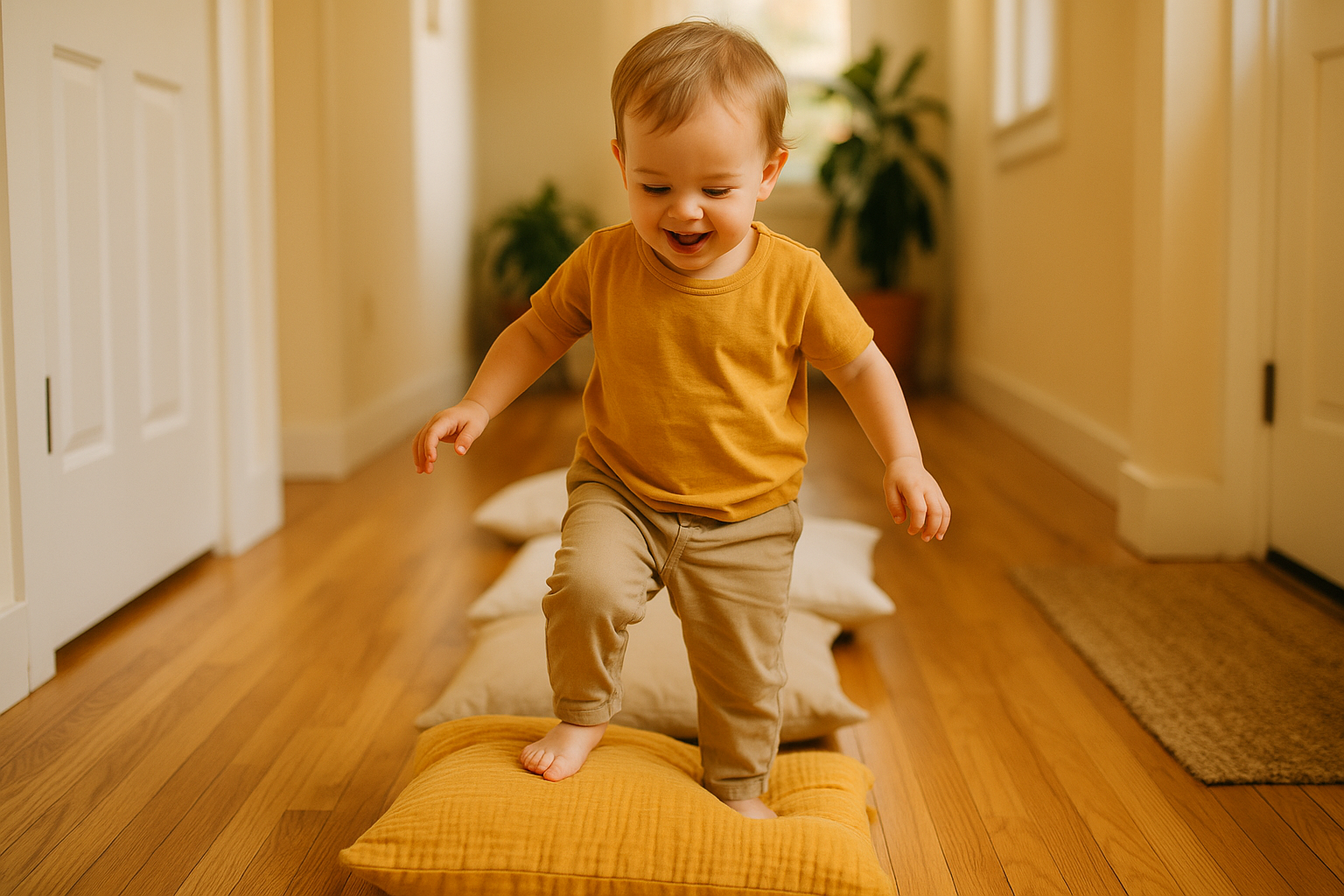
Understanding Gross Motor Development in Early Childhood
Watching your child grow and hit their gross motor development milestones is one of the most rewarding aspects of parenting. Between ages 1 and 4, children undergo significant physical changes, learning skills that set the stage for future growth and movement.
Milestones by Ages 1-2
At this stage, toddlers are full of energy, curiosity, and a sense of adventure that drives their physical development. Key gross motor milestones include:
- Walking: By 12 to 18 months, most children can walk independently. This incredible feat leads to a host of new explorations as they begin to toddle around.
- Climbing: Around 18 months, toddlers often start climbing onto and off furniture or stairs, sometimes requiring supervision for safety.
- Kicking a Ball: Simple though it may seem, kicking a ball by age two is a crucial skill that integrates balance and coordination.
CDC Developmental Milestones for Toddlers
Milestones by Ages 2-3
As children continue to grow, their coordination and strength enhance their ability to undertake more complex activities. At this stage, expect:
- Running: By age two, toddlers start running more smoothly, compared to their earlier hurried toddling.
- Jumping: Practice makes perfect, and you'll find your child experimenting with jumping from various surfaces, typically around age 3.
- Pedaling a Tricycle: Pedaling requires both motor planning and strength, and by age 3, many children can pedal a tricycle skillfully.
American Academy of Pediatrics
Milestones by Ages 3-4
From ages 3-4, children refine their motor skills, becoming more coordinated and adventurous:
- Standing on One Foot: Balancing on one foot becomes achievable, often for a brief second, around age 4.
- Catching a Ball: With practice, children can catch a bounced ball by age 4, enhancing hand-eye coordination.
- Hopping: Hopping in place or even skipping starts developing at this stage as they gain better balance and control.
American Occupational Therapy Association
Tips to Support Your Child's Development
Supporting your child's gross motor development involves encouraging active play and providing safe environments for exploration. Here are a few strategies:
- Outdoor Activities: Regular trips to the park, nature walks, or simple backyard play can provide ample opportunities for development.
- Structured Play: Consider enrolling your child in dance, gymnastics, or swimming classes to foster active skill building.
- Home Activities: Simple exercises like obstacle courses or balloon play at home can enhance their balance and coordination.
When to Seek Help
While many children meet these milestones at their own pace, some may benefit from additional support. If you have concerns about your child's development, consulting with a professional can provide guidance. At Salt Lake Occupational Therapy, Lauren, our certified expert in DIR Floortime and sensory integration therapy, offers personalized strategies to support your child.
Final Thoughts
Navigating your child's gross motor development journey is an exciting period filled with joy and sometimes concern. Rest assured, resources and supportive professionals are here to help. We invite you to Book a Free 20-Minute Consultation with Lauren, Utah’s distinguished pediatric occupational therapist, to discuss your child’s motor development and potential strategies to support their growth.
How we can help: Motor Planning & Development
Supporting coordination, balance, and the ability to plan and execute new movements with confidence.
Learn about our Motor Planning & DevelopmentReady to support your child?
Book a free 20-minute consultation with Lauren to see if SLOT is the right fit.
Book a Free Call