Understanding Auditory Processing in Young Children
As parents, you want to ensure your child's development progresses smoothly. However, if your child covers their ears at unexpected sounds or seems overwhelmed by everyday noise, they may be experiencing auditory processing issues. Understanding how these challenges affect your child and what you can do to help is crucial.
What is Auditory Processing?
Auditory processing is how the brain interprets the sounds we hear. Children with auditory processing disorders may have difficulty distinguishing between sounds, understanding speech in noisy environments, or following oral instructions. These issues can impact their learning, communication, and daily activities. According to the American Academy of Pediatrics, early detection and intervention are key to mitigating these challenges.
Signs of Noise Sensitivity
Noise sensitivity in children manifests in various ways, often causing distress during loud activities or busy environments. Symptoms may include:
- Covering their ears frequently
- Feeling anxious or overwhelmed by loud sounds
- Difficulty concentrating in noisy settings
- Expressing discomfort or running away from loud places
Understanding these signs can help you identify whether your child might benefit from professional evaluation and sensory integration therapy. Resources like CDC's developmental milestones can provide more insight into typical sensory responses and when to seek help.
Support Strategies for Parents
Addressing auditory processing issues requires a multifaceted approach tailored to your child's unique needs. Here are some strategies you can implement at home:
Create a Sensory-Friendly Environment
A calm, structured home environment can significantly alleviate your child's sensitivity. Use rugs and curtains to absorb sound, provide quiet zones for your child to retreat to, and manage noise levels when possible. Incorporating these changes can help your child feel secure and more at ease.
Utilize Noise-Canceling Headphones
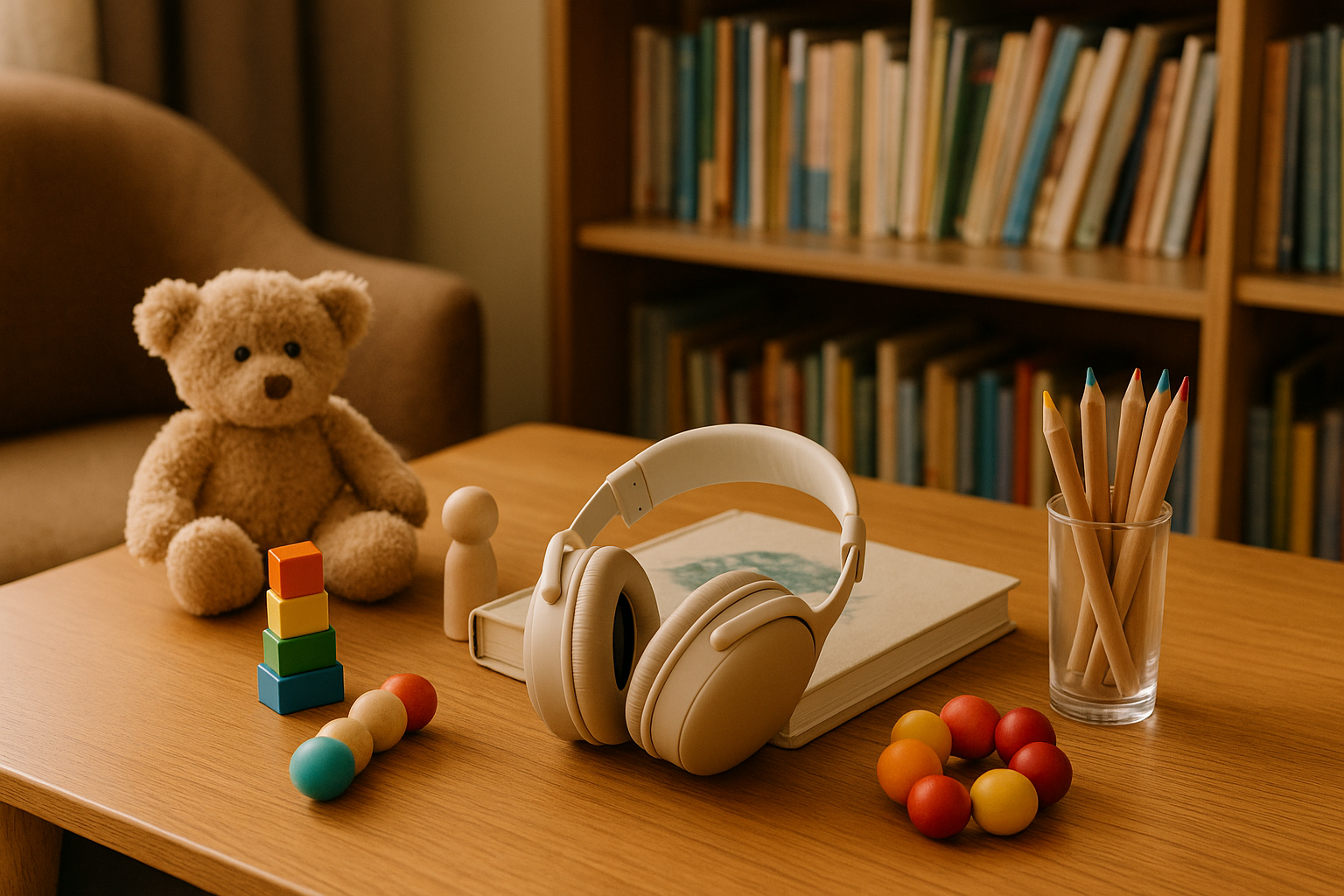
Investing in noise-canceling headphones can help your child cope with overwhelming environments. They can wear these in noisy places like shopping malls or during thunderstorms, providing comfort and protection against stress-inducing sounds.
Seek Professional Help
If your child's noise sensitivity persists, professional assistance with a qualified pediatric occupational therapist can be beneficial. At Salt Lake Occupational Therapy, Lauren applies her expertise in USC Ayres Sensory Integration to craft personalized intervention plans that target specific sensory challenges.
The Role of Pediatric Occupational Therapy
Pediatric occupational therapists can provide a comprehensive evaluation of your child's auditory processing and noise sensitivity. By working closely with you and your child, they develop strategies that incorporate therapeutic play, floortime activities, and sensory integration therapy to enhance your child's coping mechanisms and overall development. For more information about sensory processing disorders, refer to the STAR Institute for Sensory Processing.
Book a Free Consultation
Concerned about your child's auditory processing and noise sensitivity? Book a Free 20-Minute Consultation with Lauren at Salt Lake Occupational Therapy today. Our caring and personalized approach ensures your child receives the support they need to thrive.
Auditory processing and noise sensitivity can be challenging for both parents and children, but you don't have to navigate this journey alone. Let Lauren's expertise guide you through tailored strategies that will empower your child to tackle everyday noises with confidence.
How we can help: Sensory Integration Therapy
USC Ayres SI certified approach to help your child process and respond to sensory information effectively.
Learn about our Sensory Integration TherapyReady to support your child?
Book a free 20-minute consultation with Lauren to see if SLOT is the right fit.
Book a Free Call